48. Tystie (Black Guillemot)

Something different again, I’ve gone into my records to see what I saw at this time of year in other years. Being stuck at home (now with the beginnings of a cold and stomach cramp type symptoms, really sucks!) has made me think about other times, better times maybe. I had a great varied career working in wildlife conservation, working in loads of places around the UK, only for a few months at a time – one of the reasons I’ve jumped ship to ecology, less exciting but better and longer contracts (in theory, in a normal year!). So I have a lot of variety of sightings to choose from. This one comes from two years ago in Orkney, where I lived for a peedie bit. I loved living there, and if it wasn’t for the cruel arm of fate I could well be still there, alas it wasn’t to be. This sighting comes from an excursion to the island of North Ronaldsay I took towards the end of my time on those islands.

What: Tystie (or Black Guillemot) Cepphus grylle (Linnaeus, 1758)

When: 31st March 2018

Where: Off the coast of North Ronaldsay, Orkney, Scotland

Who saw it? Me, but maybe some others, can’t remember!

How was it recorded? Noted on an app and subsequently uploaded to eBird.

Is it bigger than a blackbird? Yes, maybe the same size or slightly smaller than a black-headed gull.

What is it? A seabird in the auk family (puffins, razorbills and regular guillemots are related). I always call them Tysties but their ‘official’ English name is Black Guillemot. I got this from my time on Orkney where everyone called them that, this apparently comes from an old Norse word and is the default name of the bird in Caithness and Shetland too. I think it is a better name, the thing is Black Guillemots are only black for half the year, in the other half they are white. I always saw them off the ferry as I commuted to work in Hoy from Stromness in their white plumage, only in the last few days did I begin to see them in black. They breed on rocky shorelines, but don’t breed in vast colonies like their relatives. They are circumpolar in their distribution so occur around the globe at the higher latitudes, breeding in Canada, Alaska, Northern Russia, Scandinavia and the UK (mostly northern Scotland, but also around the Isle of Man).

A fact I have learned about this species: The English name ‘guillemot’ refers to the French equivalent of the name ‘William’.
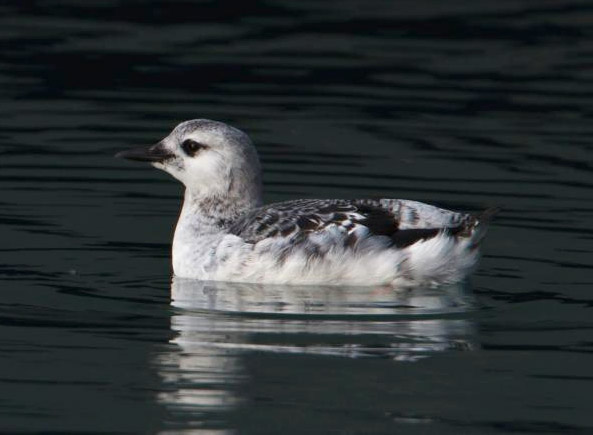
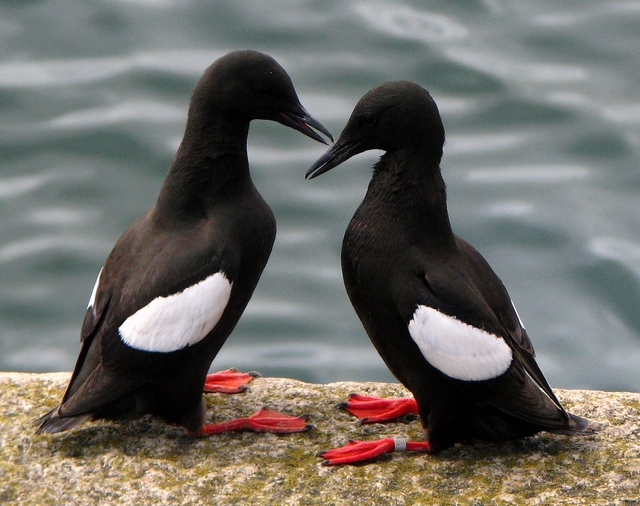
Are they charismatic in my opinion? Yeah, but may fit into the enigmatic category. I’ve only ever seen them in ones or twos and they always seemed to dive down when a boat approached so I’ve never had great views of them in winter; but they are more approachable in the breeding season apparently.
47. Herb Robert

Something different today, and maybe to continue in these odd times. Today I’m going to write about what others have seen (or one person; it’s still a species per day, so maybe tomorrow it will be someone else). As someone who suffers from mental health issues (I have depression and anxiety – I used to do a whole blog on my experiences with it) I am struggling to cope being shacked up, especially after receiving some half bad news yesterday (I had managed to secure a 6 month contract working for an ecological consultancy, now I’m only guaranteed a month’s worth of work due to the virus) so others have been very kind to me today and there was a suggestion I might write about what others have been seeing in their garden or out and about. So here it is. Rambling introduction over, not really got my mojo back so this has rambled far too much!

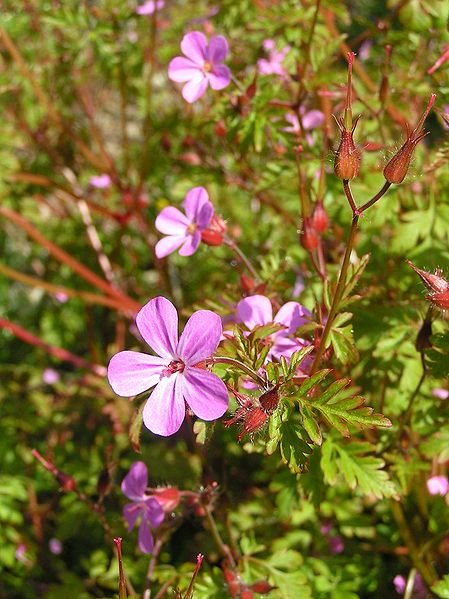
What: Herb Robert Geranium robertianum L.

When: 27th March 2020

Where: A garden in Cheshire

Who saw it? My friend Vic from my dodgeball team (yeah I play dodgeball, or did, we now all play ‘dodgevirus’)

Is it bigger than a blackbird? Yes it can be, according to my book it can grow up to 40 cm high.

What is it? As can be seen from its scientific name it is a member of the Geranium family. It has feathery leaves in groups of three leaflets with a red stalk. They are a naturally occurring and native wildflower of Europe, parts of Asia, North Africa and North America. The flowers are pink and the plants will be in bloom from May to September. The photo Vic sent me was of leaves and stalks in a patch of her garden, bit of a weed in that location.

A fact I have learned about this species? An alternative English country name for this plant is the “death-come-quickly,” no idea why, it’s not poisonous in the slightest. Maybe this is old folklore?

Herb Robert in bloom (Photo: Anon via Wiki Commons https://creativecommons.org/licenses/by-sa/3.0/deed.en)

Is it charismatic in my opinion? Maybe I should change this to “Is it pretty in my opinion?” when I’m writing about plants, as they don’t really do anything to ooze charisma other than just sit there. So yes it is pretty when in flower I suppose, not massively pretty just slightly.. girl-next-door sort of pretty maybe?

46. Chiffchaff

So. Farewell then. Freedom for now, at least most of it. I doubt I can be able to go to my new birding spot, I went twice, it was good, i’ll be back when the crisis dies down. So I’ll have to stick to my local nature reserve and my garden, I’ve chosen the former over the local park (which is closer to me) as it should be quieter so the chances of contamination should be much slimmer there. For those outside the UK, we Brits can only now go outside to exercise (walk, run, or cycle) once a day so going to more than one location in a day is a no-no. I can combine my walks with nature to keep me sane(ish). Anyway, today’s subject. One that began to sing at my local reserve on the 16th March, the first returning Spring migrant bird.

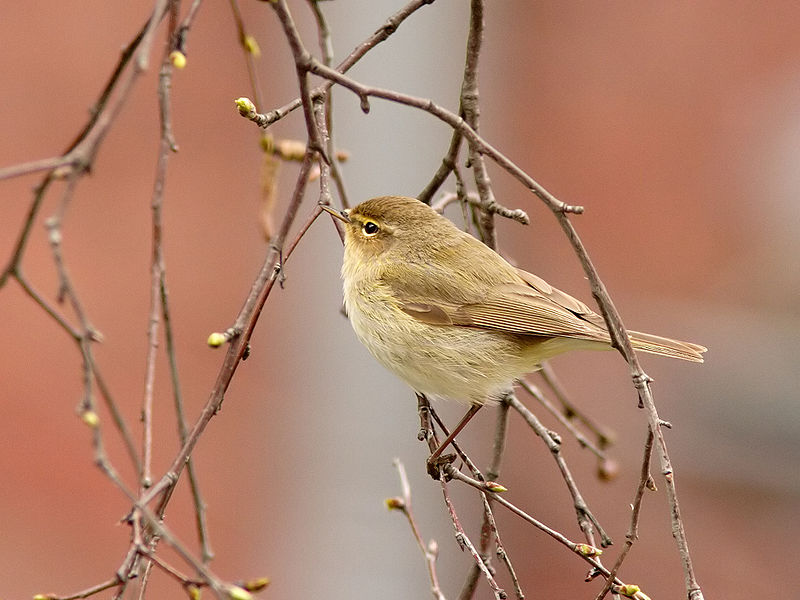
What: Chiffchaff Phylloscopus collybita (Vieillot, 1817)

When: 24th March 2020

Where: Jackson’s Brickworks, Poynton, Cheshire, UK

Who saw it? Me.

How was it recorded? On the eBird app.

Is it bigger than a blackbird? No, similar to a blue tit in size.

What is it? A relatively plain looking member of the warbler family (the European warblers are pretty plain looking in general). Sandy brown coloured on top and pale underneath with a dark stripe crossing the eye. They are very similar to the later arriving Willow Warbler but i’d say Chiffchaffs are a little ‘scruffier’ looking then their close cousins. The most distinctive feature is the song, which gives the species its onomatopoeic name (it songs its own name); a high pitched two or three syllable song repeated over and over. It’s not a particularly beautiful song but for me it is the sound of Spring. They are (or were in some place) a spring migrant and overwinter in southern and western Europe, but increasing numbers stay here over winter (more likely migrating birds overwintering in southern England before heading back giving the impression they are there all year round).

A fact I have learned about this species: Even though it sings from the tops of small trees and shrubs it nests on or near to the ground. Also, the German name for this bird is also onomatapeic: the Zilpzalp.

A chiffy (as cool people call it…) (Photo: א (Aleph) via wiki commons https://commons.wikimedia.org/)

Is it charismatic in my opinion: Easiest one yet. Yes. They are so vocal at this time of the year and are the best bird to demonstrate seasonal migration in my opinion.

45. Peacock (butterfly)

The weather is glorious at the moment here in my part of the world; granted I’m spending most of the time (like everyone else should be) inside, but I do take the opportunity to go out and go on a small nature walk most days; I just try and avoid people like the plague (no pun intended). I actually felt the warmth of the sun today for the first time this year. And you know what else did? Today’s subject, actually my second one of the year, a butterfly, namely…

What: Peacock Aglais (Inachis) io (Linnaeus, 1758)

When: 22nd March 2020

Where: Jackson’s Brickworks Nature Reserve, Cheshire, UK

Who saw it? Me

How was it recorded? On the iRecord app.

Is it bigger than a blackbird? Obviously not, it’s a butterfly, although a large one by UK standards.

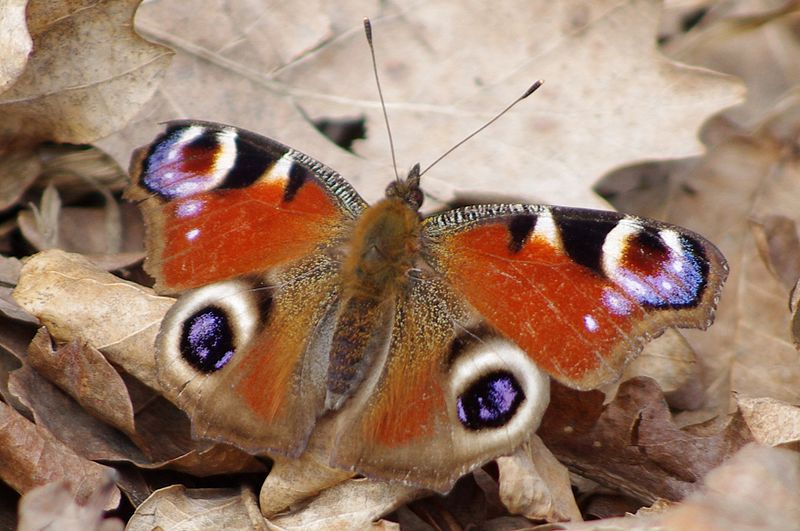
What is it? A very familiar butterfly in Britain. Overall it looks dull red on top with a black-looking underside but on closer inspection it is more exotic looking on that. It has four ‘eyes,’ one on each wing, the ones on the fore-wings are mother of pearl coloured on a black background with ‘irises’ on those on the hind-wings are light blue and look more abstract. These eyes are used as a defence against predators. They overwinter as adults (butterflies overwinter as caterpillars and eggs mostly, but a few of the larger species overwinter as adults) and are therefore one of the first species to be seen in spring when they awake from their torpor. Their caterpillars form a communal web amongst nettles and can be irritating to touch.

A fact I have learned about this species: The scientific species name of A. io is named directly after the Greek goddess Io, who was the daughter of Inachus, whom the old genus name of Inachis was named.

Can’t believe I don’t have my own picture of one! Wiki Commons to the rescue again (Photo: Jakub Hałun) https://en.wikipedia.org/wiki/en:GNU_Free_Documentation_License)

Is it charismatic in my opinion? Yes. I think the fact I have struggled to photograph them is proof. They never seem to sit still! They know you’re coming, always! They are a true and obvious sign that winter is over and that alone is enough for a yes in my humble opinion.

44. Oystercatcher

Today I visited a new site which I’ve only recently been told about. It’s a flooded farmer’s field about 2 miles from my house. It reminded me of several purpose built nature reserves. It’s mostly a ‘lake’ and can be easily observed from the side of the road, and it is teeming with bird life. Yesterday I was told by a local birder that there was a black-tailed godwit seen there, a real rarity for this part of the world; alas it wasn’t there but another more common wading bird was, one (due to me exclusively birding my village this year) I’ve not seen this year.

What: (Eurasian) Oystercatcher Haematopus ostralegus Linnaeus, 1758

When: 21st March 2020

Where: Church Lane Flood, Woodford, Greater Manchester, UK

Who saw it? Me

How was it recorded? Using the eBird app.

Is it bigger than a blackbird? Yes, chicken sized i’d say.

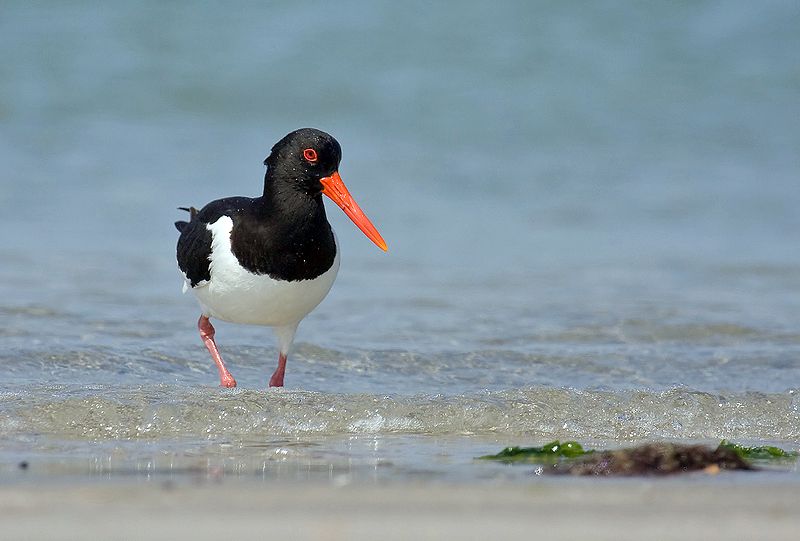
What is it? A black and white wading bird (or shorebird as they are sometimes called in other parts of the world) with an obvious long slender red/orange bill. They are mostly found on the coast but are increasingly common inland like today’s birds. They are very vocal, with a high-pitched piping call. They like to nest in gravelly, or shingle locations where their eggs blend into the scenery. Sometimes the only clue to the eggs’ presence is the frantic calling of the parent bird.

A fact I have learned about this species: Well not exactly about this species… Their North American relatives, the American Oystercatchers Haematopus palliatus are about twice the size of their Eurasian cousins but look practically identical in all other aspects.

Amazingly, I don’t have my own picture of one so here’s a Wiki Commons one (Photo: Andreas Trepte, license https://creativecommons.org/licenses/by-sa/2.5/deed.en)

Is it charismatic in my opinion: Yes. I recall vividly having to sneak past a nesting Oystercatcher on my way to my tern colony a couple of years ago on Anglesey. I never managed it, they always knew I was coming and kicked up a huge fuss as I was obviously a threat to them (I wasn’t, but they didn’t know that) . They quickly settled back down once I’d left their territory. Their long orange/red bills amuse me too, it’s like it was stuck on using a ‘parts bin’ of left over bird bits, it looks incongruous to my eyes.

43. Common Frog

The outdoors seems to be a place of sanctuary at the moment, a deserved ‘other room’ to step into when you get bored of the same four walls whilst you self-isolate. For someone who is at times socially awkward (although not as much as I used to be) this is just fine and dandy. Go outside, avoid people, come home. Easy! Anyway, there has been a lot of activity from one group of creatures who are definitely not self-isolating right now, both in the pond in my garden, and most other ponds I see on my walks out.

What: Common Frog Rana temporaria Linnaeus, 1758

When: For the last week or so, but specifically today, 19th March 2020.

Where: Jackson’s Brickworks Nature Reserve, Cheshire, UK

Who saw it? Me

How was it recorded? It hasn’t yet, not sure the best place to record amphibians.

Is it bigger than a blackbird? No

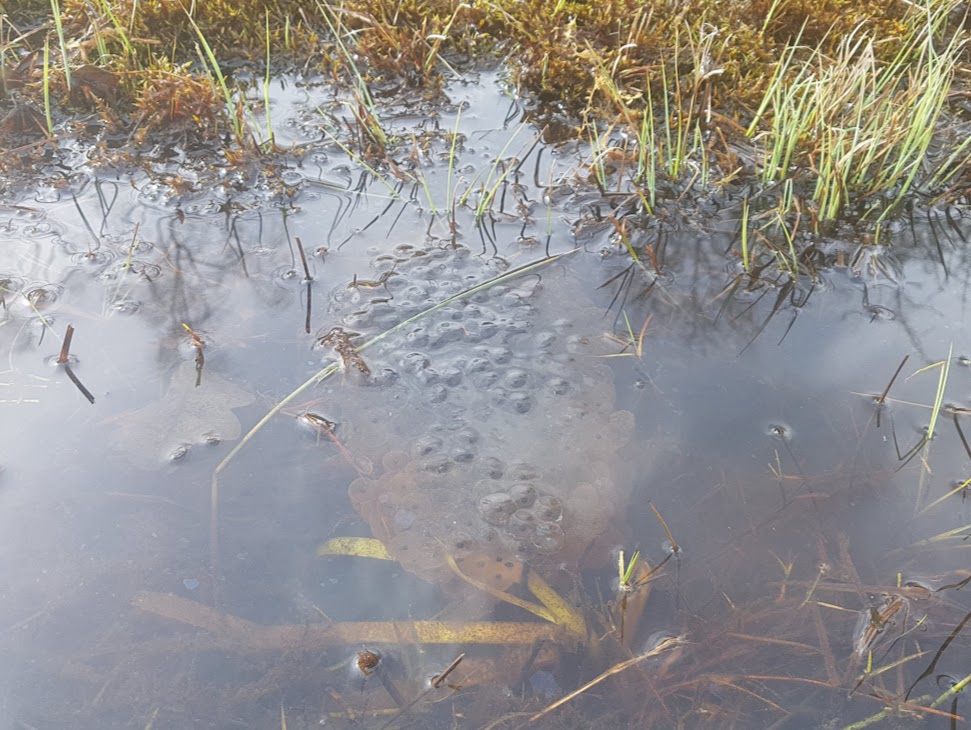
What is it? Possibly the commonest member of the amphibian order in the UK, or at least the most obvious. Also it is one of only two species of frog native to the UK, the other being the incredibly rare (and only recently acknowledged as native) Pool Frog Pelophylax lessonae. At this time of year Common Frogs (will just call them frogs from now on) are in the middle of their breeding season, their eggs – in the form of spawn, are obvious in many ponds, and the frogs themselves can often be seen amongst the spawn, the males constantly looking out for females. A frog, unlike the similar looking toad (again, only two species of toad here, one common, one not) is smooth and jumpy, whereas a toad is rough, warty and crawly. Frogs are more likely found in the water for longer periods of the year, whereas toads will only go in to mate and lay eggs; again at this time of the year. They are slightly variable in colour, ranging from golden brown to darker green but generally not stripey apart from on their hind legs.

A fact I have learned about this species: This species of frog occurs in Ireland, where it is believed to be introduced (it must have, aham, hopped over the water). Actually, I seem to recall there being no frogs in Orkney (island groups immediately above the north of mainland Scotland) where I used to live.

Some frogspawn in a temporary pool (I’ve never seen spawn here, it’s normally boggy at best here) (Photo: Alex Cropper)

Is it charismatic in my opinion? Yes, especially at this time of year. They are so vocal on a night and when I approach my pond to see them during the day they will escape down through the weed, arms and legs flailing trying to pretend they were never there in the first place. Definite characters!

42. Hebrew Character

Amongst the cloud of impending doom that is enveloping the human world nature gets on with life, and we can watch it. I have been to my local quieter patch (less human interaction) every day for the last few days and it’s been nice to witness change in just this small space of time. Pairing off of a group of Canada Geese has begun, bumblebees have appeared, buds are emerging, and today I heard my first Chiffchaff of the year. I have written about this species before and will write again but today’s post is about an insect, another first for the year but found in the garden.

What: Hebrew Character Orthosia gothica (Linnaeus, 1758)

When: 17th March 2020 (although it’s recorded as the 16th due to how moths are recorded)

Where: My garden, Poynton, Cheshire (VC58), UK

Who saw it? Me

How was it recorded? On a spreadsheet which will be sent off at the end of the year.

Is it bigger than a blackbird? No it is a moth.

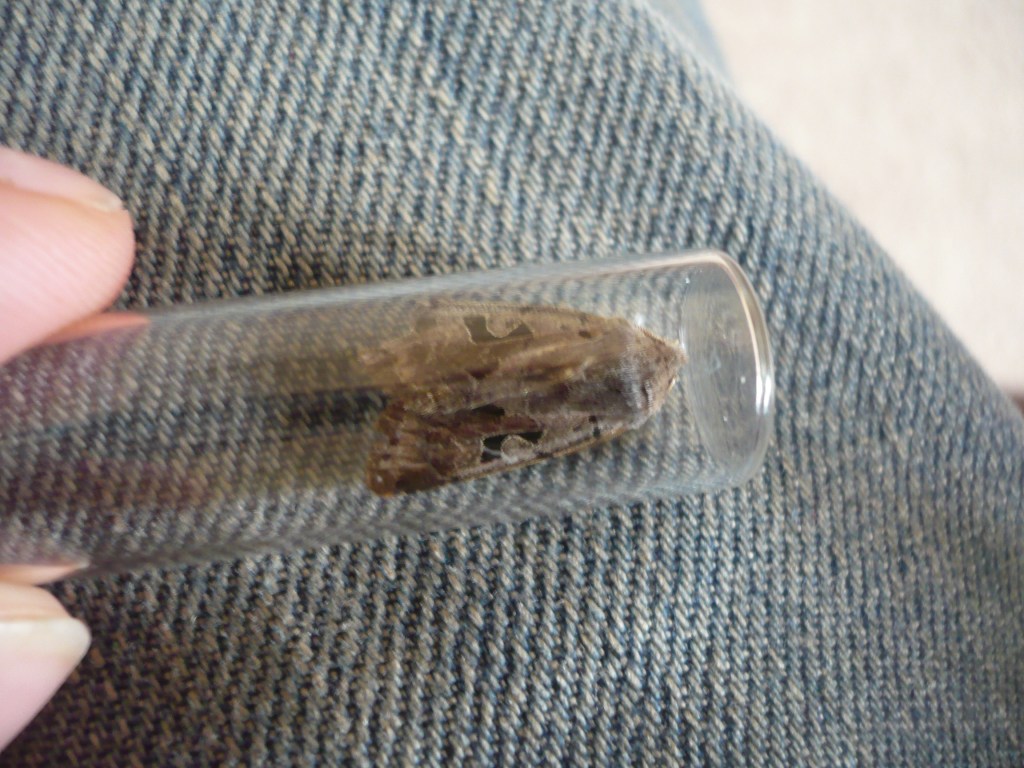
What is it? A moth. More specifically a moth in the Noctuid family which have distinctive arrow shaped wings which mostly all have a circle shape and a kidney shape on the forewings; sometimes obvious, sometimes less so. This particular species has a curving black mark near the edge of its otherwise brown or grey forewings which gives it its English name; the Victorian’s who assigned the name thought this feature looked like a letter in the Hebrew alphabet. This species is common in the Spring and is often found around lights (I have a purpose built moth trap equipped with a UV-type light which attracts them).

A fact I have learned about this species: The ‘Hebrew character’ on the moth’s wings resembles the letter ‘nun’ (נ‬) – according to Wikipedia.

For a moth I see a lot every year I only have one photo, and it’s this crappy one – sorry! (Photo: Alex Cropper)

Is it charismatic in my opinion? Hmmm… not sure. I love moths but the early spring moths that I find in my trap don’t seem to do a lot other than sit there waiting for it to get dark again. I also don’t see their natural behaviour as they are strictly nocturnal. So the jury’s out I think.

41. Blue Tit

The terrible uninspiring weather has continued aplomb giving the lethargic me plenty of excuses not to get out. Today seems different but I’ve stayed in to finish some academic work. Guess i’m in training for self-isolation! I did manage to get out a couple of days ago to both my local hotspots for some wildlife watching, this was to try (in vain it turned out) to try and see a spring migrant (bird) or a newly emerged insect (bee or a butterfly). Whilst I heard a bee I didn’t see anything else (the hope was to hear a Chiffchaff which re-appears around this time every Spring). The most obvious bird of the day is the subject of today’s post.

What: Blue Tit Cyanistes caeruleus (Linnaeus, 1758)

When: 11th March 2020

Where: Jackson’s Brickworks, Cheshire, UK (amongst others)

Who saw it? Me.

How was it recorded? Using the eBird app (which I had to reinstall on site due to it glitching – not good)

Is it bigger than a blackbird? No, a lot smaller.

What is it? Some would describe it as a ‘starter bird,’ one that absolutely everyone knows (in the UK at least). These are the birds you nail a bird box onto a tree or a side of a house for. They adore bird feeders and are highly visible. But for those who don’t know they are a small member of the tit family (or chickadee if you’re American) which is predominantly blue in colour on its back and wings with a yellow breast. It has a white face with a black ‘bandit’s mask’ across its eyes. They possess a small black bill, ideal for seeds and capturing caterpillars for their young. They are very vocal and possess a wide variety of calls (not as much as it’s relative the Great Tit Parus major which has millions of calls and songs it seems).

A fact you may not know: (changed the heading for today only!) They are incredibly aggresive as anyone who has handled one will testify. They love to bite and kick up a huge fuss in the hand (I’ve handled a few when assisting people who ring/band the birds). If they were the same size as humans they would rule the world no doubt!

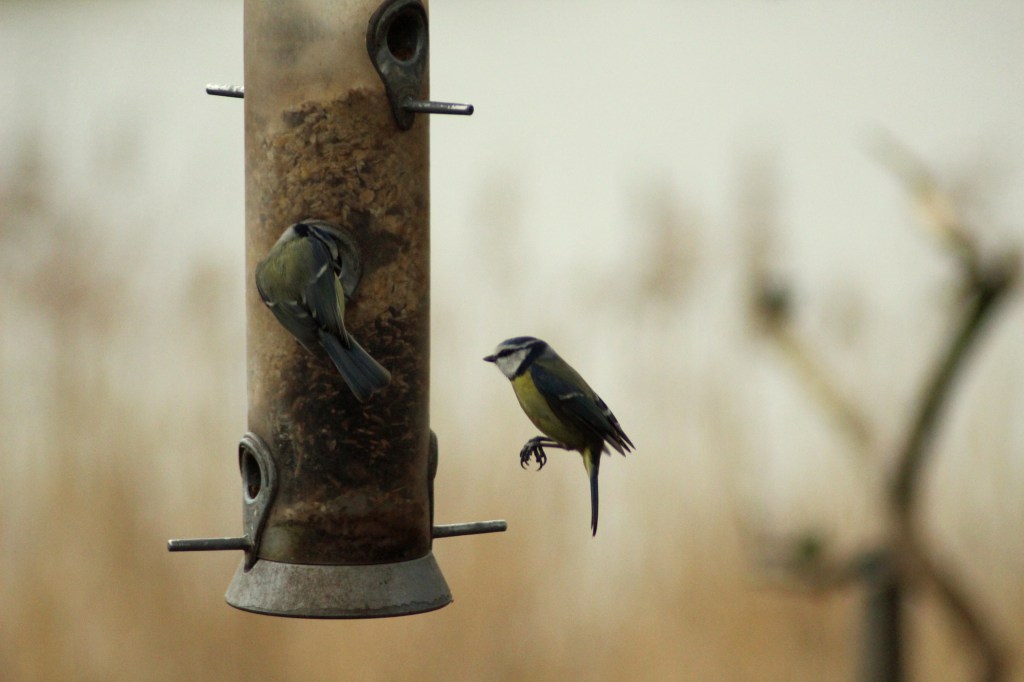
A couple photographed on a bird feeder at the RSPB’s Burton Mere reserve (Photo: Alex Cropper)

Are they charismatic in my opinion? Yes, oh god yes. They are a gateway bird for a reason, everyone knows them, no one thinks ill of them and I’m guessing a lot of people have put up a bird box up for them. They are incredibly agile, can cling to anything and are intelligent. When most people in the UK had their milk delivered to their doorstep blue tits learned how to exploit the milk bottles. They learned how to peck through the foil tops in order to get to the cream on top of the bottle (no idea why though, birds don’t do dairy surely?!). Very charismatic.

40. Cowslip

It’s actually felt like Spring today. Relatively mild and the wind and rain that has been with us since October (it seems) has relented. I even saw a bumblebee whilst out and about. Alas, I couldn’t identify the species so it won’t be appearing in today’s blog post. I walked around my number 2 patch (a local nature reserve, Jackson’s Brickworks) as it is the best place locally to see Spring develop. 6 Canada Geese, 6 Buzzards, 5 Mallards, and 3 Moorhens were all there, as were some rather shouty crows and many other birds in song. And some plants were beginning to emerge, and one classic Spring plant was in flower…

What: Cowslip Primula veris L.

When: 4th March 2020

Where: Jackson’s Brickworks LNR, Cheshire (VC58), UK

Who saw it? Me

How was it recorded? Using the iRecord app.

Is it bigger than a blackbird? Probably as tall as a blackbird.

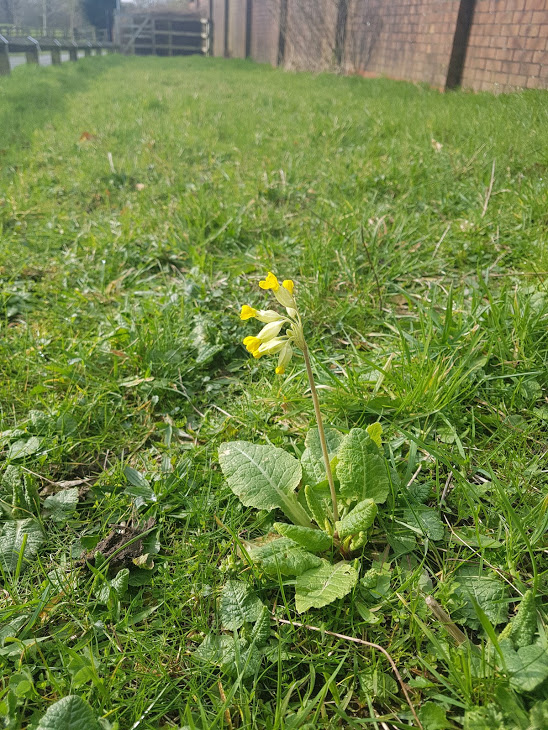
What is it? As the scientific name suggests the Cowslip is a member of the Primula family. It is evergreen, so keeps it leaves all year round, and flowers in early spring. The flowers are bright yellow and are slightly shrouded by a long green corolla. The flowers are mostly clustered together. Cowslips occasionally hybridise with another Primula species, the Primrose P. vulgaris forming the ‘False Oxslip’ Primula x polyantha. The Cowslip is native to temperate areas of Europe and western Asia.

A fact I have learned about this species: The leaves are used in Spanish cooking as a salad leaf.

Is it charismatic in my opinion? Yes I think. Although as ever it’s hard to assign charisma to a plant. This is one of the true signs of spring, and with all signs of spring gives us a clue that winter is almost over (March 4th, day of writing is in the Meteorological Spring, but not the Celestial Spring).

39. Siskin

Another wet day, another day not spent walking around my patch. A good day however relating to matters of employment! But, I saw another relatively unusual visitor to the garden bird feeders this afternoon. One, which is regular in some winters, and completely absent in others (like this one, or so I thought).

What: Siskin Spinus (Carduelis) spinus (Linnaeus, 1758) – Some places say Carduelis spinus others Spinus spinus (I’m going with the NBN Atlas name https://species.nbnatlas.org/species/NHMSYS0021004277)

When: 3rd March 2020

Where: My garden, Poynton, Cheshire, UK

Who saw it? Me

How was it recorded? Using the eBird app.

Is it bigger than a blackbird? No, pretty standard finch size.

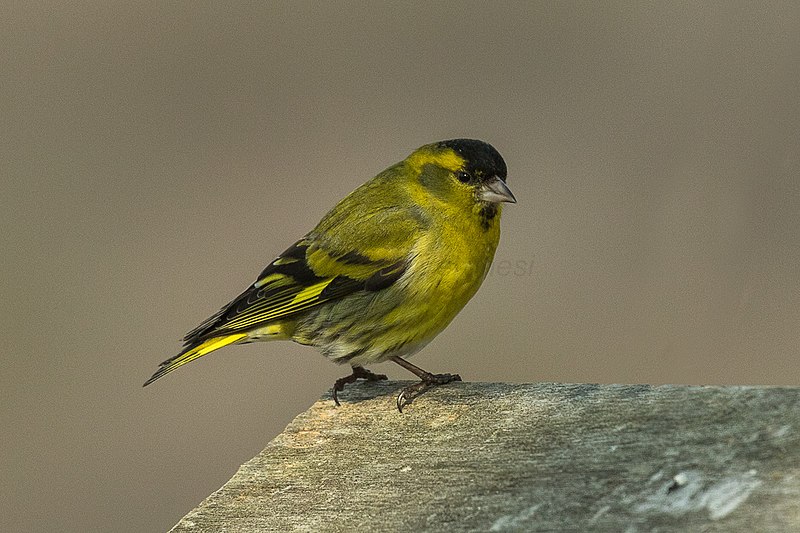
What is it? A green/yellow coloured member of the finch family. The males are yellowy-green with a black crown and yellow and black wings. The females are duller with a washed-out looking yellow-green plumage and lacking the black crown. They are resident in the UK all year round but their numbers are augmented in the winter by European migrants. My garden only gets Siskins in the late-winter period it seems so maybe they are all overwintering birds? They definitely have an association with conifers whose seeds they feed on. A few winters ago my garden had a resident flock of Siskins who arrived in January and disappeared in April, followed again in the subsequent winter. But barely anything since, just the odd singleton like today. Always a great addition to the garden birds when they do make an appearance.

A fact I have learned about this species: The English name comes from Middle Low German, and the Modern Low German word for the bird is Siesken. An earlier English name for Siskin was the Barleybird. (Ref: Lockwood, W. B. (1984) The Oxford Book of British Bird Names Oxford University Press, Oxford).

A male Siskin (Photo: Wiki Commons https://commons.wikimedia.org/wiki/File:Eurasian_Siskin_-_Montevecchia_-_ItalyFJ0A9545-Modifica_(40510722052).jpg)

Is it charismatic in my opinion? Yes definitely. They are mostly gregarious (admittedly today’s bird was not) and they are constantly chattering away to each other brightening up any winter’s day.

Design a site like this with WordPress.com
Get started