Afternoon to my dwindling readership! (As I’ve said before this is all about me getting into the habit of writing something every day and making it a routine, I’m not that bothered about readership, but I love it when folk do read this.) Today has been incredibly foggy in my patch of planet so things have looked eerie. Birds have been more obliging and I even saw a sleeping fox which was in the middle of a meadow, fog makes animals see less too. But today’s species is a plant again, and my first species where I may have got the ID wrong as it’s a difficult one to separate from its close relation.
What: Downy Birch Betula pubescens Ehrh.
When: 22nd January 2020
Where: Jacksons Brickworks Local Nature Reserve, Cheshire (VC58), UK
Who saw it? Me
How have I recorded it? I haven’t yet as I’m not sure of the correct ID, will maybe wait until it comes into leaf later in the year.
Is it larger than a blackbird? Well obviously, it’s a tree and I saw a blackbird sat in one.
What is it? Possibly a downy birch, or a silver birch (B. pendula). I’m coming down on the side of B. pubescens as according to my book (Johnson & More (2004) Tree Guide: The Most Complete Guide to the Trees of Britain and Europe HarperCollins, London) B. pendula has ‘weeping’ branches whereas the tree I’ve seen has not, but it’s hard to tell in winter. The book also says B. pubescens is more widespread on poor damp non-chalky soils, which is precisely the habitat this one was in. But if anyone knows better than please let me know! – Anyway, both birches are trees up to about 30 m, are short lived for trees and are pretty weed-like for trees, they often crop in places you don’t want them too. This is due to the tiny seeds which get everywhere, these seeds colonise new areas which is why they are often the first tree to be seen in a habitat; they are one of the first trees to form a successional woodland (an ecology lesson for another day!).
A fact I have learned about this species: They hybridize commonly with ‘exotic’ birch species, ie: non-native garden introductions (Johnson & More, 2004).
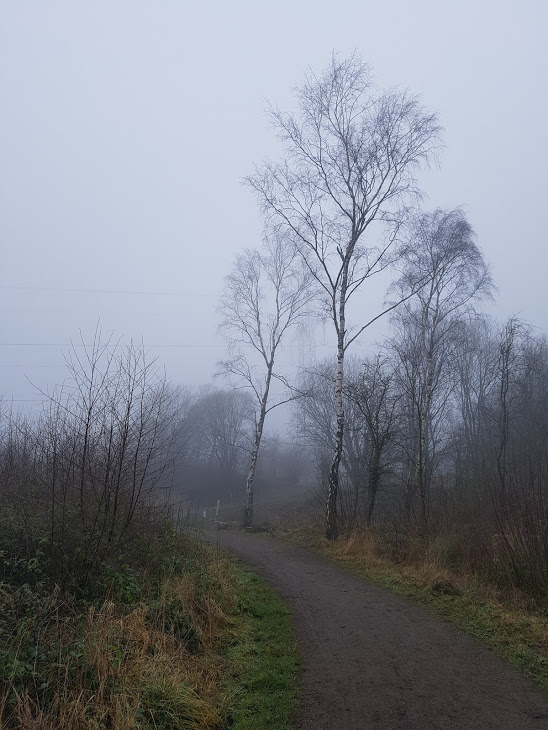
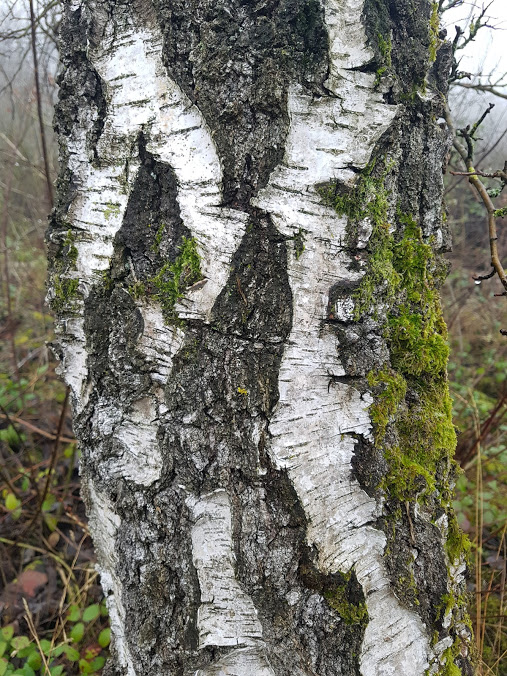
Is it charismatic in my opinion? As far as an immobile plant can be, yes. I like pioneer species; true they can be pain in the backside for rangers and land managers to get rid of but I like the tenacity of them.
 A Species a Day
I think Downy and Silver birch hybridise readily too Alex. As Silver birch trees mature, the bark develops dark, diamond-shaped fissures, like your picture, but as you said, the habitat look more Downy birch friendly. You may have to revisit and check for pubey buds. https://www.woodlandtrust.org.uk/trees-woods-and-wildlife/british-trees/a-z-of-british-trees/silver-birch/
LikeLike
Good info John. Will have a good look on a future visit.
LikeLike