December 19th
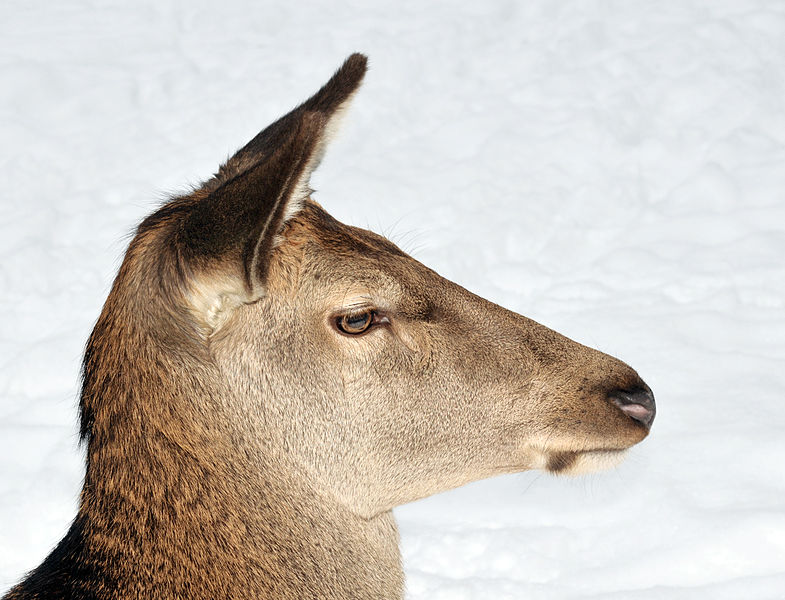
Another wildlife free day, not for want of trying though, I’ve not really been anywhere where wildlife has been prominent. So, I go back to sightings I’ve had this year. Today’s is from right at the end of August when I kept seeing the largest UK terrestrial mammal at a site I was trapping for amphibians (before it was built on unfortunately). Kind of festive though as a few people eat the meat of this animal at this time of year.
Red Deer Cervus elaphus Linnaeus, 1758
It’s not often that I see truly wild examples of red deer in the countryside. True, there is a large population at the nearby Lyme Park, but these are managed and don’t leave the confines of the park. The ones I saw were wild and were wandering through fields. They were female red deer who are slightly smaller than males and don’t have the antlers that males have. Females are fawny-red in colour with a pale/white rump. In some parts of the UK red deer can cause problems in forestry where they are prone to eating newly planted or newly shooting conifers, this is particularly problematic in the Scottish Highlands. However, this can be explained by lack of natural predators, wolves have been extinct in the UK for centuries who would have naturally controlled the deer. They also interbreed happily with the closely related Sika Deer and in some places pure red deer are becoming scarce.
Advent species so far…
- 1st: Goosander Mergus merganser
- 2nd: December Moth Poecilocampa populi
- 3rd: Horse Chestnut Aesculus hippocastanum
- 4th Black-headed Gull Chroicocephalus ridibundus
- 5th Cape Sparrow Passer melanurus
- 6th Loricera pilicornis
- 7th Great Tit Parus major
- 8th Tipula paludosa
- 9th Redwing Turdus iliacus
- 10th Bank Vole Myodes glareolus
- 11th Tawny Owl Strix aluco
- 12th Sparrowhawk Accipiter nisus
- 13th Kingfisher Alcedo atthis
- 14th Nebria brevicollis
- 15th Virginia Opossum Didelphis virginiana
- 16th —–
- 17th Bacchus elongata
- 18th Reed Warbler Acrocephalus scirpaceus
- 19th Red Deer Cervus elaphus
 A Species a Day